
How to Choose the Right Off-Grid System for Your Motorhome
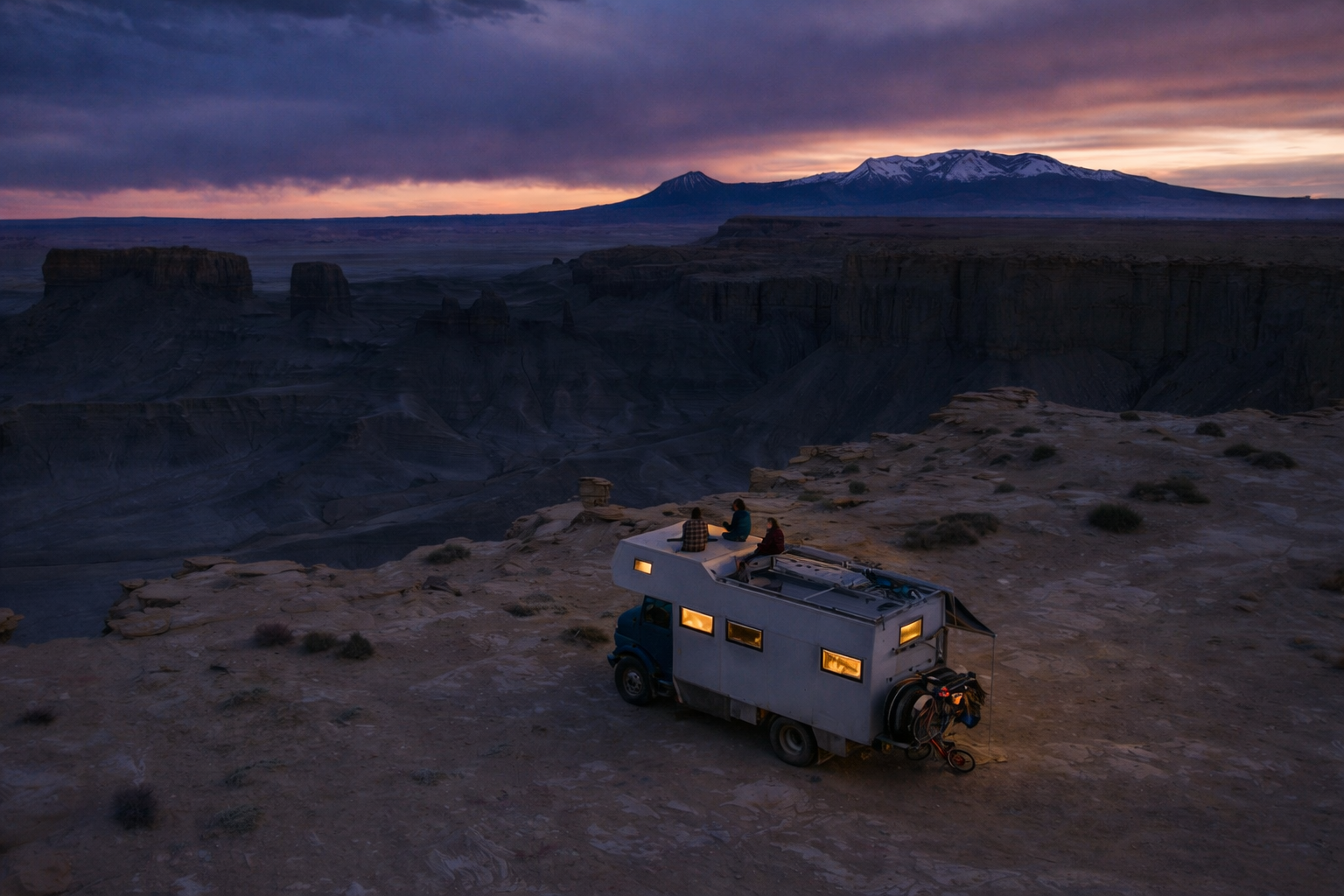
Going off-grid is one of the best things you can do for your motorhome life. No more planning routes around campsites. No more paying for hookups you barely use. Just you, your vehicle, and wherever the road takes you.
But choosing the right system is where most people get stuck. Too small and you'll run out of power before the weekend is over. Too large and you've spent money on capacity you'll never use.
Here's how to think about it properly.
Start with how you actually travel
The honest question isn't "what do I want to run?" — it's "what do I actually use?" Most people overestimate their power needs when planning and underestimate them once they're on the road. Think about your real trips: how long do you stay in one place, do you move every day or settle for a week, do you work from the van or just relax?
A weekend traveller who moves every couple of days and mainly uses lights, a fridge and a coffee maker has very different needs from someone working remotely from a hillside for a full week.
Understand what actually uses power
Lighting and device charging are relatively light loads. The big consumers are heating, cooking, air conditioning and anything with a motor or compressor. If you're running a diesel heater on 12V, a compressor fridge, a coffee machine and a laptop all day, your daily draw will be substantial.
As a rough guide: a 230Ah lithium battery gives you around 180Ah of usable capacity before you should recharge. A compressor fridge might use 30–50Ah per day. Add lighting, charging and occasional 230V use and a single battery can cover a comfortable weekend easily — but won't stretch to a week without support.
Think about how you'll recharge
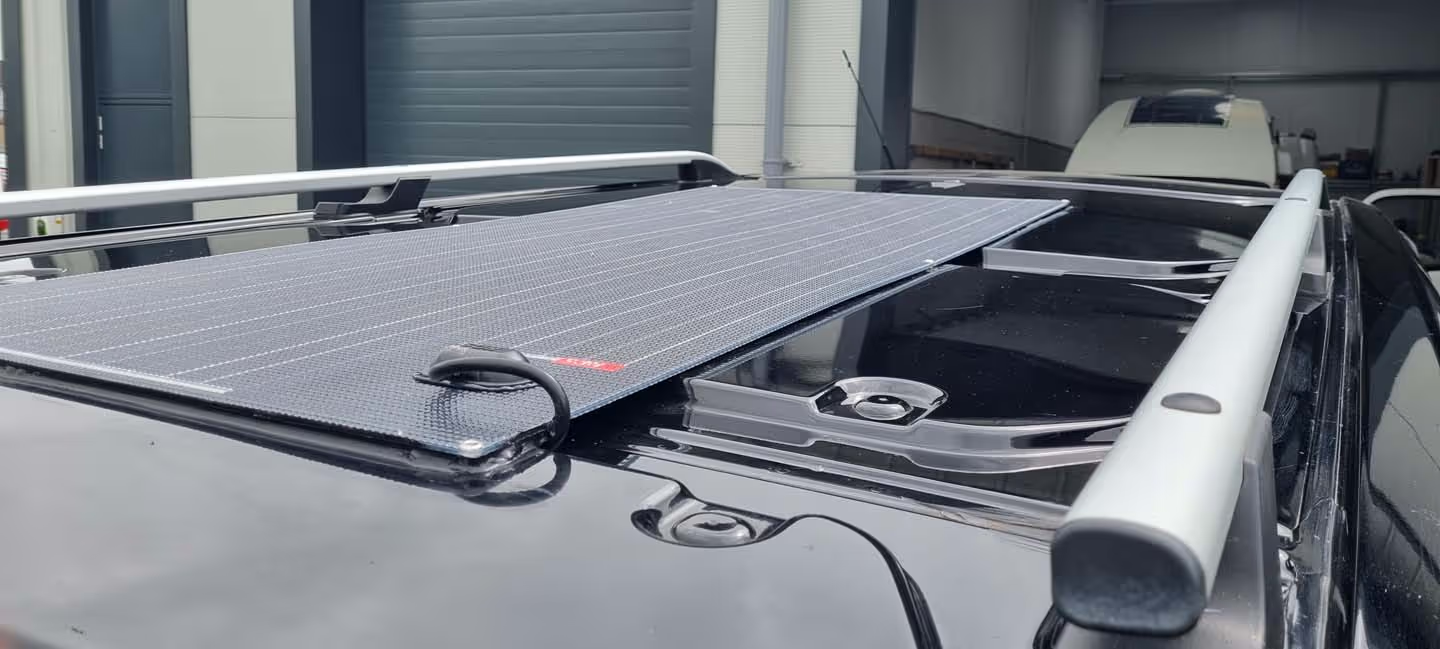
Solar is your primary daytime top-up when parked. DC-DC charging from your alternator is your best friend while driving. Shore power top-ups at occasional campsites give you a full reset when needed.
Most travellers don't need to rely on any single source — the combination of all three keeps most systems healthy. The key is making sure your system is sized so normal use doesn't drain it faster than it can recover.
Our package approach
At ASTT we've designed three packages that cover the most common use cases. The Weekender handles short trips and weekends away. The Worker covers full working weeks off-grid. The Wanderer is built for extended travel and full-time van life.
Each one is a complete, proven system — not a guess. And during your initial consultation we'll work through your specific situation to confirm it's the right fit before we book anything in.
If none of them quite match, we also offer fully bespoke design. Get in touch and we'll help you figure out exactly what you need.
Want to speak to us?
Ready to learn more?
Check out our other off-grid and motorhome articles.
